
Public Participation and Engagement


How We Deliver
Public Participation & Engagement
We facilitate public participation through open, accessible, and community-centered methods that make it easier for people to understand, question, and contribute to planning decisions. Our engagement processes are designed to ensure that every voice, especially underrepresented groups, has a meaningful place in shaping development in their neighborhoods and towns.
We use a mix of engagement methods, including:
Community Dialogues
Structured in-person or virtual forums where residents, youth, institutions, and stakeholders share concerns, ask questions, and discuss local planning matters in an open, moderated space.
Stakeholder Forums
Focused sessions that bring together community leaders, planners, county officials, and interest groups to explore development proposals, align priorities, and build consensus.
Visual Participation Tools
Maps, diagrams, 3D models, and illustrated explainer materials that simplify complex planning concepts, helping people visualize proposals and understand how projects may affect their areas.
Surveys & Feedback Channels
Short, accessible surveys, polls, and digital comment platforms that allow community members to express viewpoints, preferences, or concerns at their own convenience.
Outreach & Community Mobilization
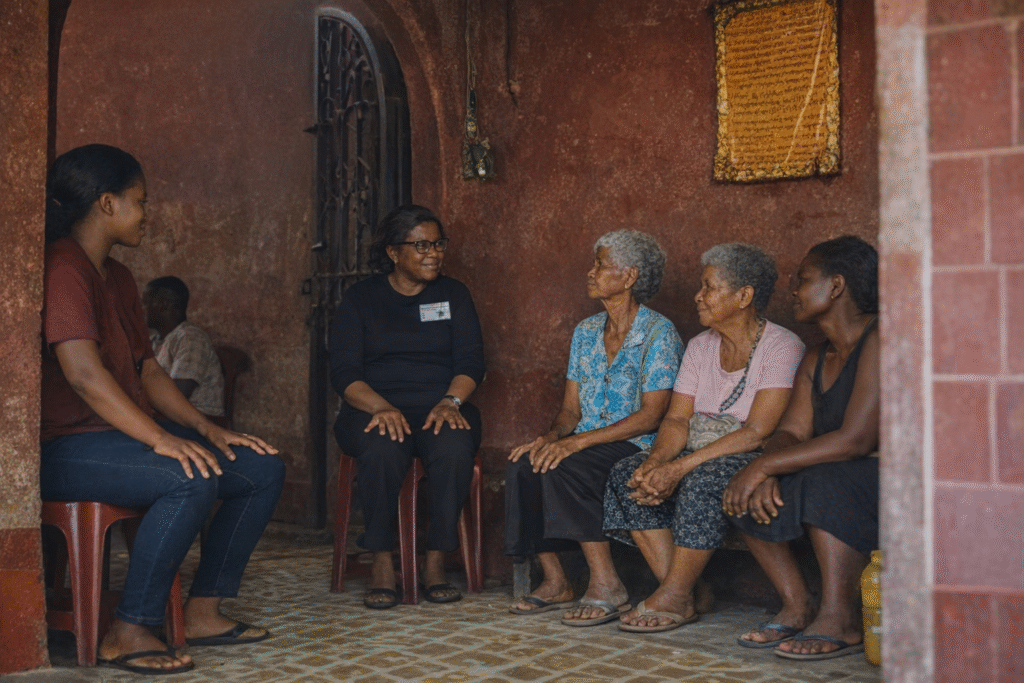
Grassroots engagements held in villages, estates, and settlement areas, ensuring people with limited access to formal meetings can still participate fully and share their lived experiences.
Who Public Participation & Engagement Is For
Public participation ensures that people have a real voice in shaping development decisions. These are the groups who benefit most from open, accessible, and inclusive engagement platforms:
What People Gain from Public Participation & Engagement
Through public participation, community members gain a direct voice in shaping development decisions. Engagement gives people the chance to express their priorities, understand ongoing projects, and influence outcomes that affect their neighborhoods. This process builds transparency, strengthens accountability, and helps ensure that development responds to real community needs rather than assumptions.
Rather than being passive recipients of planning decisions, public participation empowers people to contribute solutions, raise concerns early, and collaborate with planners and institutions. It creates shared ownership of development, fosters trust, and leads to more sustainable, inclusive, and locally supported outcomes.